When you send a luxurious hamper overseas, you’re not just shipping a box of goodies—you’re navigating a maze of regulations, paperwork, and fees. If you want your premium hamper to arrive on time, intact, and without a surprise tax bill, you need a clear strategy for manage customs duties for international premium hampers. This guide breaks down the essentials, from valuation to documentation, and offers practical tips to keep your shipment smooth and your customer delighted.
Understanding the Customs Landscape
What Are Customs Duties?
Customs duties are taxes levied on goods that cross international borders. They’re calculated based on the product’s classification, value, and destination country. For premium hampers, which often contain high‑value items like fine wine, artisanal cheeses, or luxury chocolates, even a small miscalculation can inflate costs dramatically.
Why Premium Hampers Face Unique Challenges
Premium hampers differ from ordinary shipments in a few key ways:
- High Monetary Value: The more expensive the contents, the higher the duty potential. Mixed Products: A hamper may contain multiple categories (food, alcohol, cosmetics), each with its own tariff code. Perishability: Some items require temperature control, adding extra handling and documentation demands.
Because of these factors, the phrase manage customs duties for international premium hampers becomes a mission-critical priority for every exporter.
Key Steps to Manage Customs Duties
1. Accurate Valuation & Classification
The first rule of thumb: value it right, classify it right, and you’ll avoid a customs nightmare.
- HS Code Accuracy: Every product has a Harmonized System (HS) code. A wrong code can mean a duty hike or a customs hold. Transaction Value: Use the actual price paid, including shipping and insurance, not just the sticker price.
> “A small error in classification can lead to a big headache,” Festive gifts says Jane Doe, a seasoned customs broker.
2. Documentation Mastery
Think of documentation as the passport for your hamper.
- Commercial Invoice: Must list item descriptions, HS codes, unit values, and total value. Packing List: Details weight, dimensions, and packaging type. Certificate of Origin: Needed if you’re claiming reduced duties under a trade agreement.
Missing or incomplete paperwork is the fastest way to trigger delays.
3. Leveraging Trade Agreements
Many countries have free‑trade agreements (FTAs) that reduce or eliminate duties for qualifying goods.
- Identify Applicable FTAs: For example, the U.S. and Canada share the US‑CAN‑CA Agreement. Qualifying Criteria: Ensure your hamper meets the rules of origin. Documentation: Provide the required certificates to claim duty relief.
4. Choosing the Right Incoterms
Incoterms dictate who pays for what and when risk transfers.
- FOB (Free On Board): Buyer pays for shipping and customs. CIF (Cost, Insurance, Freight): Seller covers freight and insurance, but customs duties remain the buyer’s responsibility. DDP (Delivered Duty Paid): Seller handles everything, including duties—ideal for premium hampers where you want to control the entire experience.
5. Working with a Customs Broker
A licensed broker can be the difference between a smooth delivery and a costly delay.
- Expertise: They stay updated on tariff changes, documentation nuances, and local regulations. Time Savings: Brokers submit paperwork electronically, speeding clearance. Cost‑Effectiveness: While there’s a fee, the savings from avoided penalties often outweigh the cost.
Common Pitfalls and How to Avoid Them
- Under‑valuation: Shipping a $2,000 hamper as if it were worth $500 can trigger audits and fines. Mislabeling: Describing a wine as “fruit juice” to dodge alcohol duties is illegal and risky. Incomplete Documentation: A missing certificate of origin can halt a shipment for days. Ignoring Incoterms: If the buyer assumes the seller will pay duties but the Incoterm says otherwise, the buyer faces surprise costs.
To sidestep these traps, double‑check every detail and maintain open communication with your logistics partner.
Real‑World Anecdote: The Case of the Champagne Hamper
Picture this: a boutique French winery sends a deluxe hamper—champagne, truffles, and a handcrafted cheese board—to a corporate client in Tokyo. The shipment was marked under CIF, but the commercial invoice omitted the HS code for the champagne. Customs flagged the shipment, and the client’s CFO, known for his stern demeanor, demanded an explanation.
The broker quickly filed an amendment, provided the correct code, and secured a temporary duty waiver. The hamper arrived Browse around this site a week later, and the client praised the winery for its swift resolution. The moral? Even a tiny oversight can turn a smooth process into a diplomatic exercise.
Tips for a Smooth Process
- Use a Checklist: Before shipping, run through a pre‑departure checklist covering valuation, classification, and documentation. Stay Informed: Subscribe to newsletters from customs authorities and trade associations. Plan for Contingencies: Allocate a buffer of 5–10% in the budget for unforeseen duties or fees. Train Your Team: Regular training sessions on HS codes and Incoterms reduce human error.
> “The best way to predict the future is to create it,” reminds Abraham Lincoln. In customs, that means preparing meticulously today to avoid surprises tomorrow.
Elevating Your Premium Hamper Experience
By mastering the art of manage customs duties for international premium hampers, you not only safeguard your bottom line but also enhance the customer journey. A hassle‑free delivery reflects on your brand’s reliability, while a well‑timed arrival keeps the recipient’s excitement at its peak.
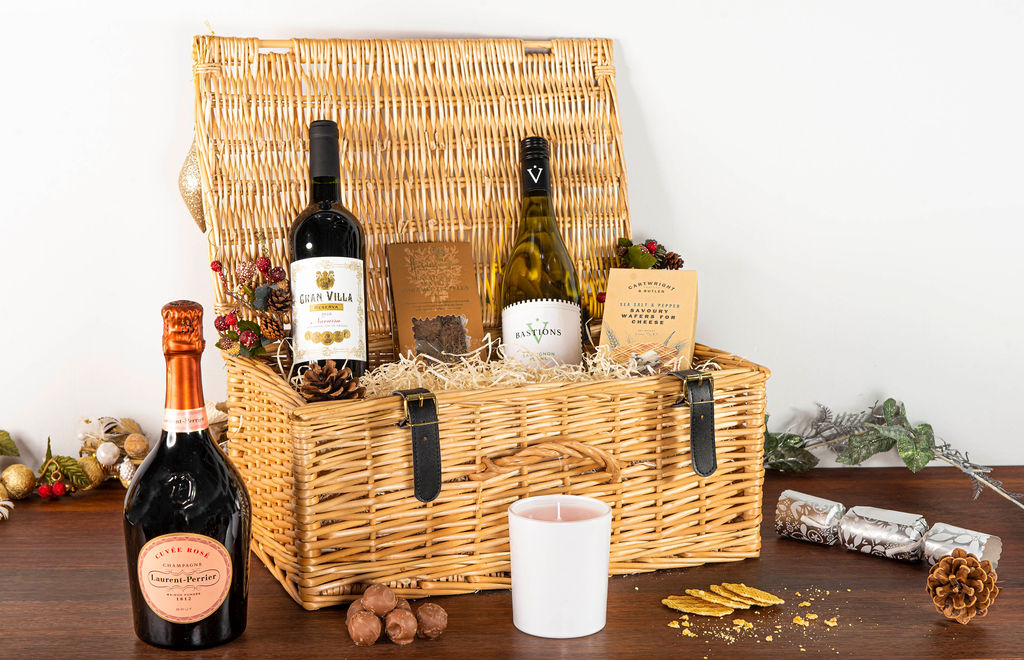

Now that you have the roadmap, it’s time to put these strategies into action. Whether you’re a seasoned exporter or a newcomer to the world of international gifting, the right approach to customs will turn every hamper into a triumph—no customs gatekeeper can stop you.